


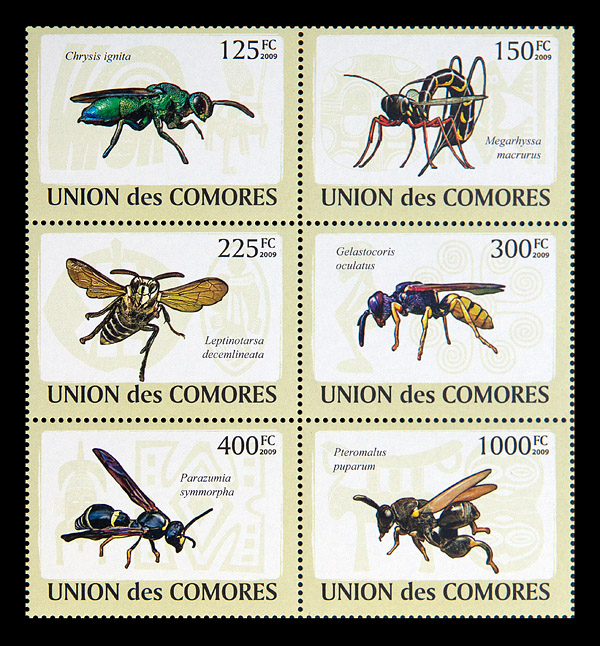
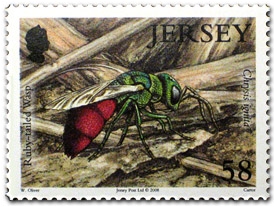
Jersey Post, 2008: Jersey Nature – Insects II

35p - Carpenter Bee
39p - Buff-tailed Bumblebee
43p - Clown-faced Bug
52p - Large Migrant Hoverfly
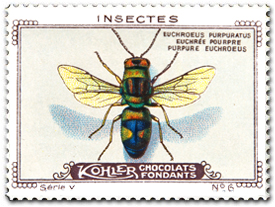
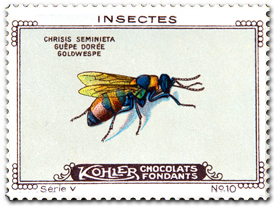
58p - Ruby-tailed Wasp
76p - 22-spot Ladybird
Copyright, Authorship, and Ownership statements
All text and images of this page are copyright ©️ Chrysis.net unless otherwise stated - please see individual cases for authorship and copyright details. The specimens pictured are from the authors' or other collaborators' personal collections and from the collections of various museums. Unless otherwise specified, the whole content of this web site is for personal, non-commercial, scientific, and educational purposes given proper accreditation to the page from which they were derived are provided, and under Chrysis.net Terms and Conditions.
For citation purposes
Agnoli G.L. & Rosa P. (2026) Search Results , in: Chrysis.net website. Interim version 04 April 2026, URL: https://www.chrysis.net/search/%252525E7%25252583%252525AD%252525E8%252525A1%25252580%252525E9%252525AB%25252598%252525E6%252525A0%252525A11~3%252525E7%25252599%252525BE%252525E5%252525BA%252525A6%252525E7%252525BD%25252591%252525E7%2525259B%25252598-%252525E3%25252580%25252590%252525E2%2525259C%25252594%252525EF%252525B8%2525258F%252525E6%2525258E%252525A8%252525E8%2525258D%25252590BB76%252525C2%252525B7CC%252525E2%2525259C%25252594%252525EF%252525B8%2525258F%252525E3%25252580%25252591-%252525E5%25252585%252525AB%252525E4%252525B8%252525AA%252525E8%2525259D%252525B4%252525E8%2525259D%252525B6%252525E5%25252585%252525AC%252525E4%252525B8%252525BB%252525E6%25252595%25252585%252525E4%252525BA%2525258B-%252525E7%25252583%252525AD%252525E8%252525A1%25252580%252525E9%252525AB%25252598%252525E6%252525A0%252525A11~3%252525E7%25252599%252525BE%252525E5%252525BA%252525A6%252525E7%252525BD%25252591%252525E7%2525259B%25252598nvq0t-%252525E3%25252580%25252590%252525E2%2525259C%25252594%252525EF%252525B8%2525258F%252525E6%2525258E%252525A8%252525E8%2525258D%25252590BB76%252525C2%252525B7CC%252525E2%2525259C%25252594%252525EF%252525B8%2525258F%252525E3%25252580%25252591-%252525E5%25252585%252525AB%252525E4%252525B8%252525AA%252525E8%2525259D%252525B4%252525E8%2525259D%252525B6%252525E5%25252585%252525AC%252525E4%252525B8%252525BB%252525E6%25252595%25252585%252525E4%252525BA%2525258Bw2t0-%252525E7%25252583%252525AD%252525E8%252525A1%25252580%252525E9%252525AB%25252598%252525E6%252525A0%252525A11~3%252525E7%25252599%252525BE%252525E5%252525BA%252525A6%252525E7%252525BD%25252591%252525E7%2525259B%25252598yut6s-%252525E5%25252585%252525AB%252525E4%252525B8%252525AA%252525E8%2525259D%252525B4%252525E8%2525259D%252525B6%252525E5%25252585%252525AC%252525E4%252525B8%252525BB%252525E6%25252595%25252585%252525E4%252525BA%2525258B3oas/page/14.



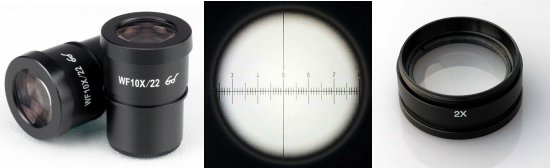
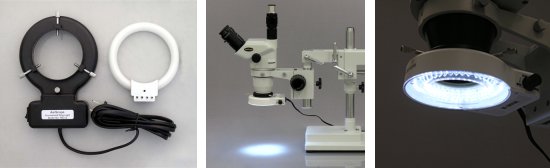
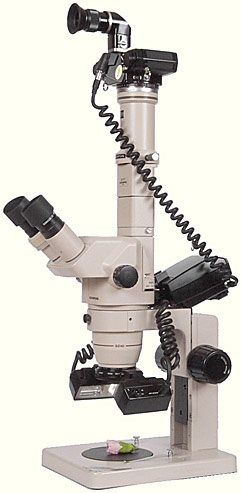
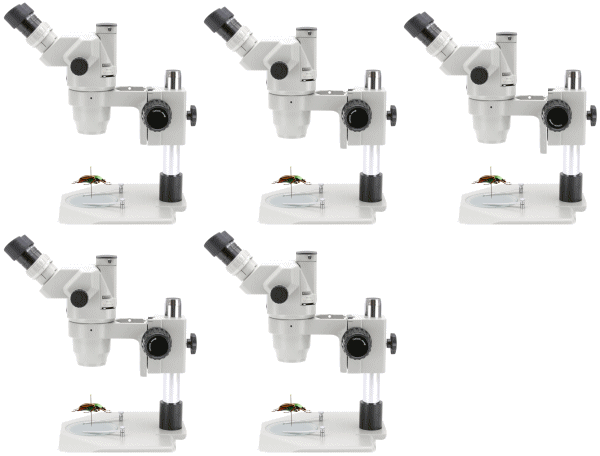 The entomological survey for the purpose of research, or simply the exploration of the incredible shapes hiding in the small world, requires the use of a stereoscopic microscope - also called stereomicroscope or stereo microscope.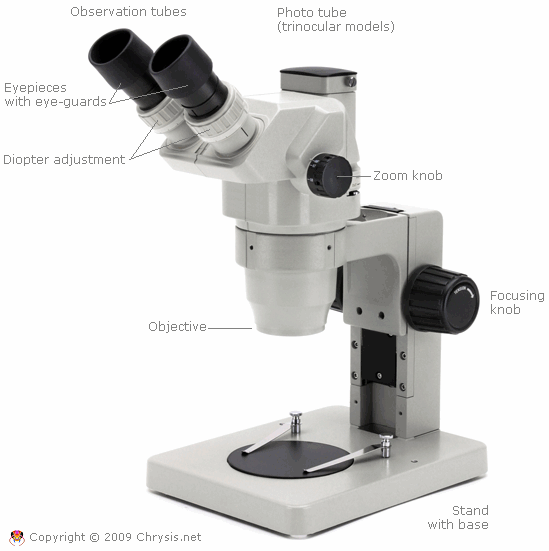
 Data print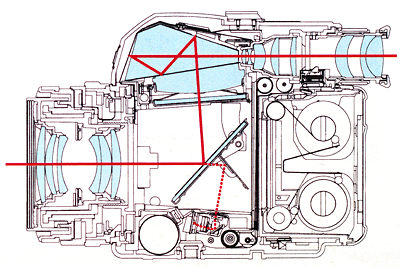
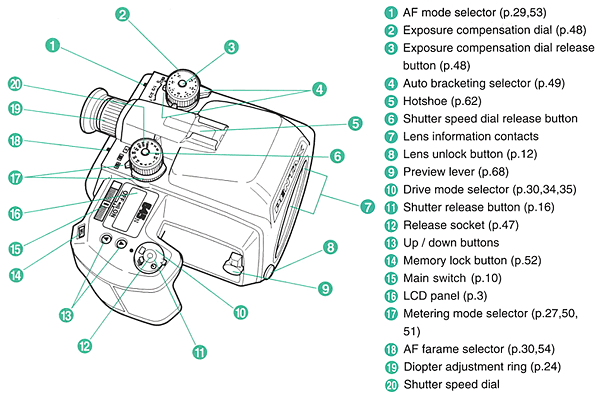
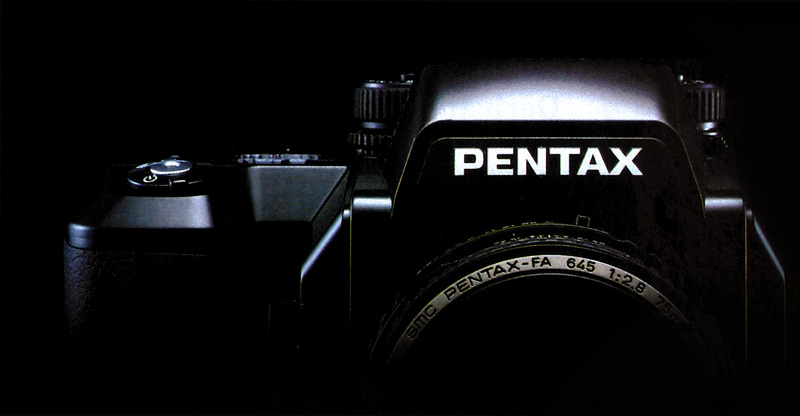
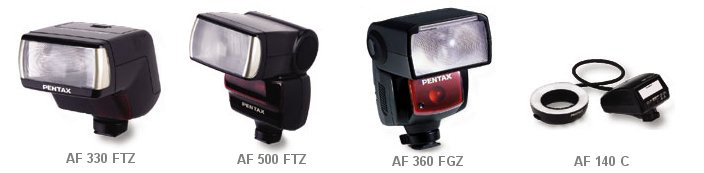
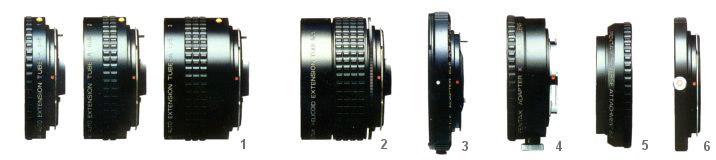
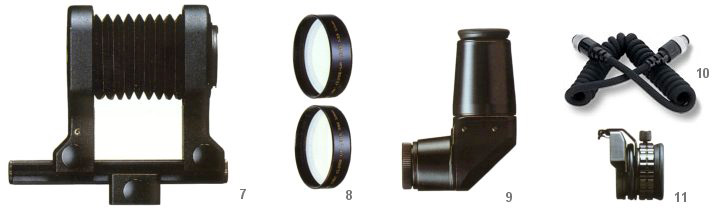
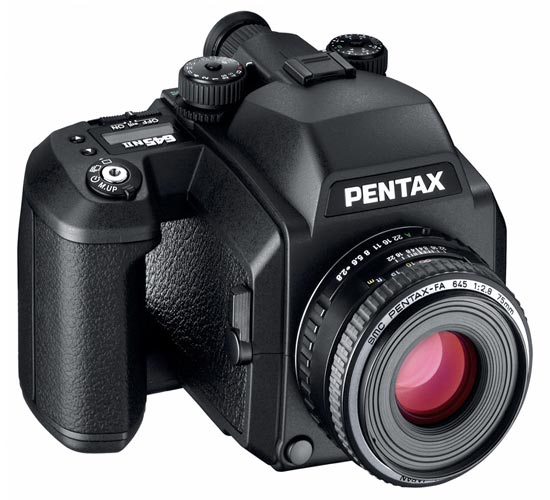
 Pentax 645N brochure
 SMC Pentax-FA 645 lenses (autofocus)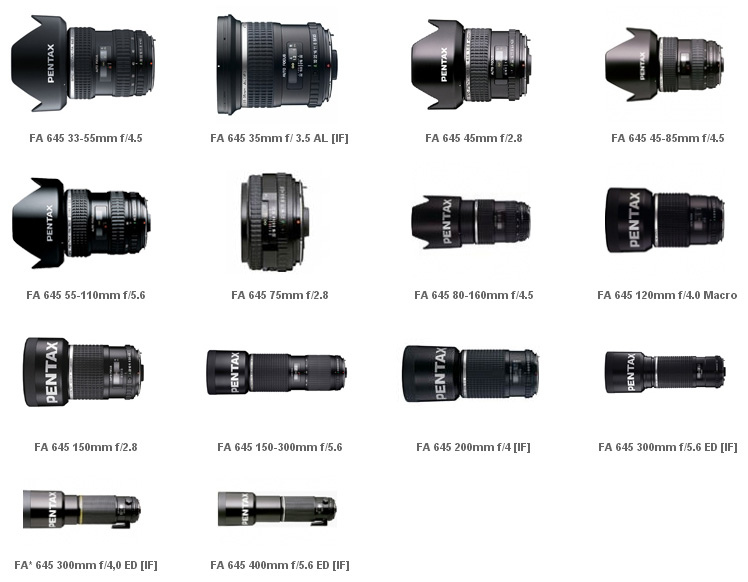
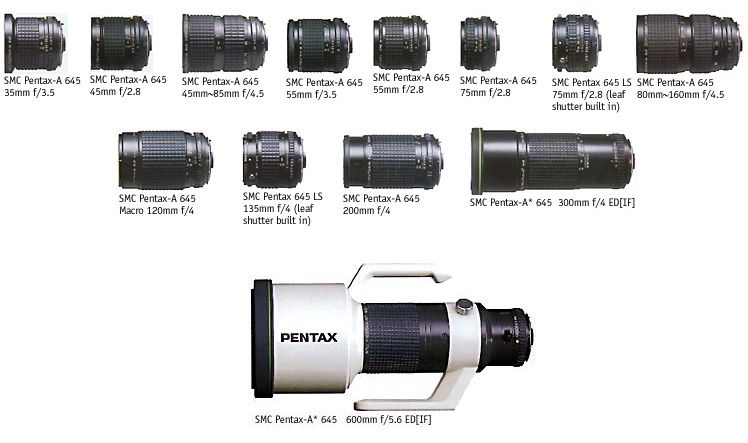
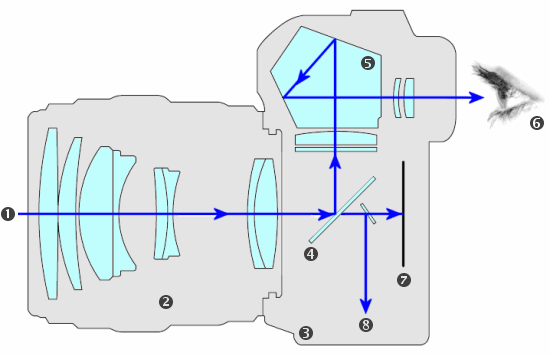
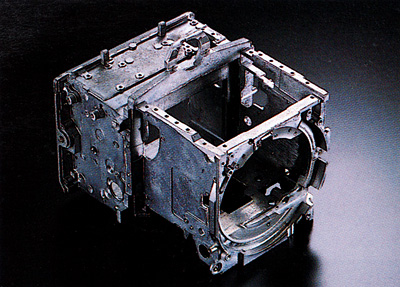
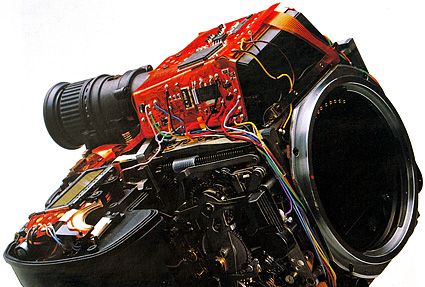
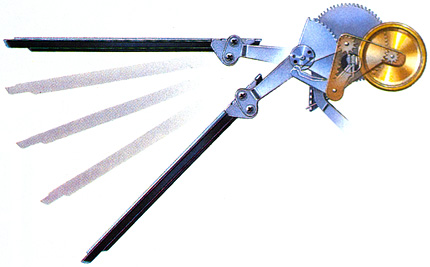
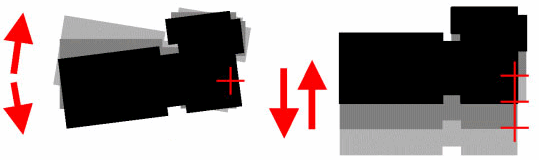
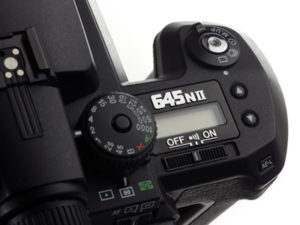 Smooth Mirror Operation with Lock-Up Mechanism to Minimize Camera Shake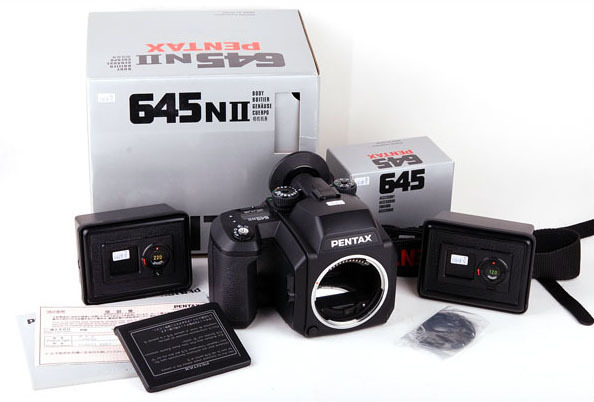

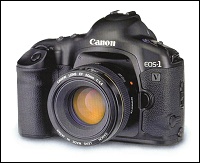
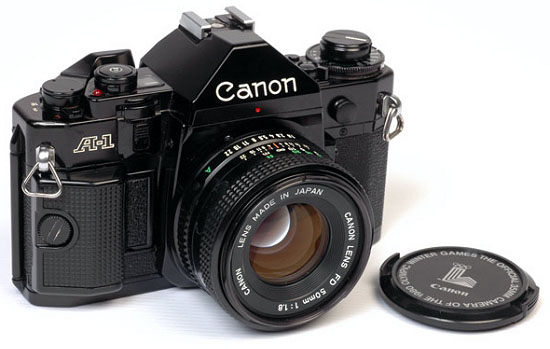
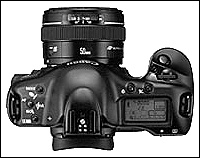
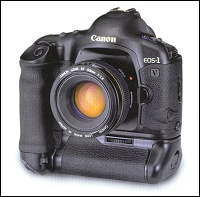
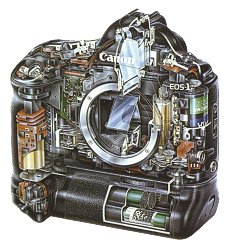
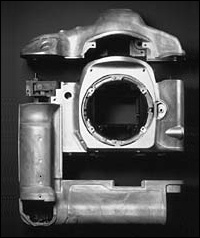 The new professional reflex Canon EOS-1V was planned for an extended use under hostile conditions.
 Autofocus and exposure. The AF area contains 45 autofocus points, thickened in an area of 8 x 15 millimeters, and you can manually or automatically activate them regarding to the shooting situation. Each of the 45 AF points is constituted by a detector of horizontal lines, while 7 central points incorporate also a detector of vertical lines, rendering the firing extremely effective. The AIM system integrates the AF system with 6 exposure measurement modes, by measuring the exposure regarding to the position of the subject.
 Flash. The autoflash E-TTL (Evaluative Through-The-Lens) system of the EOS-1V integrates itself with the environmental light, in order to gain optimal results, through a pre-flash shot which calculates the environmental light and corrects the flash emission for just each situation. With the dedicated Speedlite 550EX (guide number 55 / 100 ISO) the EOS-1V acquires an E-TTL control without cables even using many flash units, the modeling flash, the automatic zoom of the head from 17mm to 105mm, the manual flash, the flash exposure lock for decentralized subjects, etc. The new
 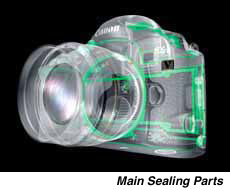 Professional cameras must be resistant to climatic changes and to water, sand and dust. The EOS-1V has been developed to reflect feedback from professional photographers who work in severe environments. Canon has succeeded in raising the level of water and dust resistance. The 72 major body seams and moving parts, such as the shutter button, selector buttons and Main/Quick Control Dials, are carefully sealed with silicone rubber, and the edges of the back cover are thoroughly finished. Furthermore, the battery chamber located inside the new grip GR-E2 is protected by packing, while the insides of function buttons, found on the upper left of the body, are protected from dust and water by a silicone rubber boot. The EOS-1V's electronically controlled rotary magnet shutter has been tested to 150,000 cycles and designed to eliminate the possibility of operational trouble. This shutter unit ensures constant operation that remains as accurate as its original performance even after long use and under severe shooting conditions.
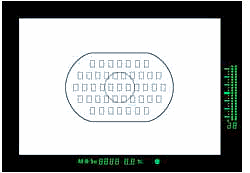 The EOS-1V's 45-point Area AF is the result of Canon's pursuit of an AF system that allows continuous shooting ease and expanded framing freedom. The 45 focusing points are densely packed within an 8 x 15 mm zone and can be manually or automatically selected to meet the needs of the situation. When multiple points are selected, AF system capabilities are significantly extended. Born of Canon's original technology, this system has been refined for the EOS-1V to ensure the unconditional reliability, accuracy and high focusing speeds requisite for professional use. While photographers have the freedom to frame images through the viewfinder as they choose, the lens is automatically brought into focus as soon as the active focusing points cover the subject. Like a human eye, Canon's 45-point Area AF tracks and aims true. This is typical of Canon's state-of-the-art AF technology, recognized by professional photographers everywhere. All 45 focusing points can be used simultaneously for optimum auto focus results or manually selected. The predictive AI Servo AF system allows the tracking of fast-moving objects while maintaining precise focus. This system affords impressive results in terms of continuous shooting and boasts excellent sequential processing efficiency.
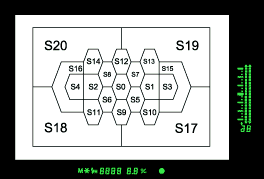 Canon's exclusive AIM (Advanced Integrated Multi-Point control) system integrates Area AF and all six metering modes available with the EOS-1V. Focus on a subject within the Area AF ellipse, and the EOS-1V will meter that area for the optimum result where it's needed most. All six metering modes use the 21-zone evaluative metering sensor.
 If a PC with EOS Link Software ES-E1 installed is linked with the EOS-1V, camera functionality and the capacity for representation are markedly expanded. You can achieve various forms of customization, function extension, data download by following messages on the monitor screen.
 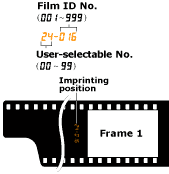 ES-E1 software is primarily intended for advanced Personal Function customization, so users of the EOS-1V can program it to reflect their personal preferences, shooting purposes and conditions. It also allows the management of data relating to settings used for exposed film. Since the EOS-1V has a built-in memory to save shooting data, selectable from 25 items, including shutter speed and aperture values, are automatically saved in the camera's memory each time the shutter is released. At the same time, an arbitrary two-digit number and an auto-incrementing three-digit ID number are automatically imprinted on the film leader. This means the film and shooting data can be matched. The storage capacity of the built-in memory varies depending on the number of items to be recorded. In general, data can be saved for 50 to 200 rolls of film with 36 exposures, with data for 100 rolls being recorded in the standard setting.


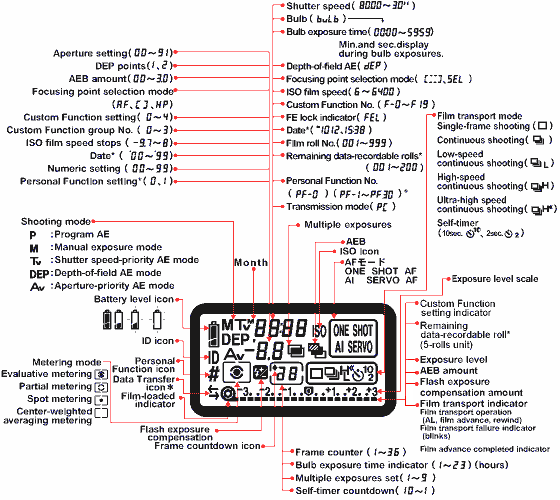
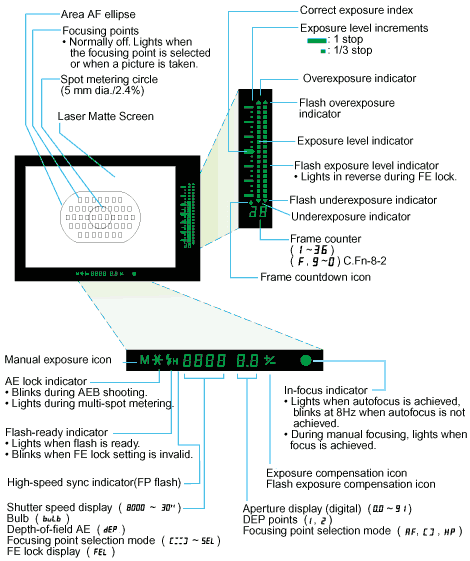
 Click the image to enlarge it in a new window: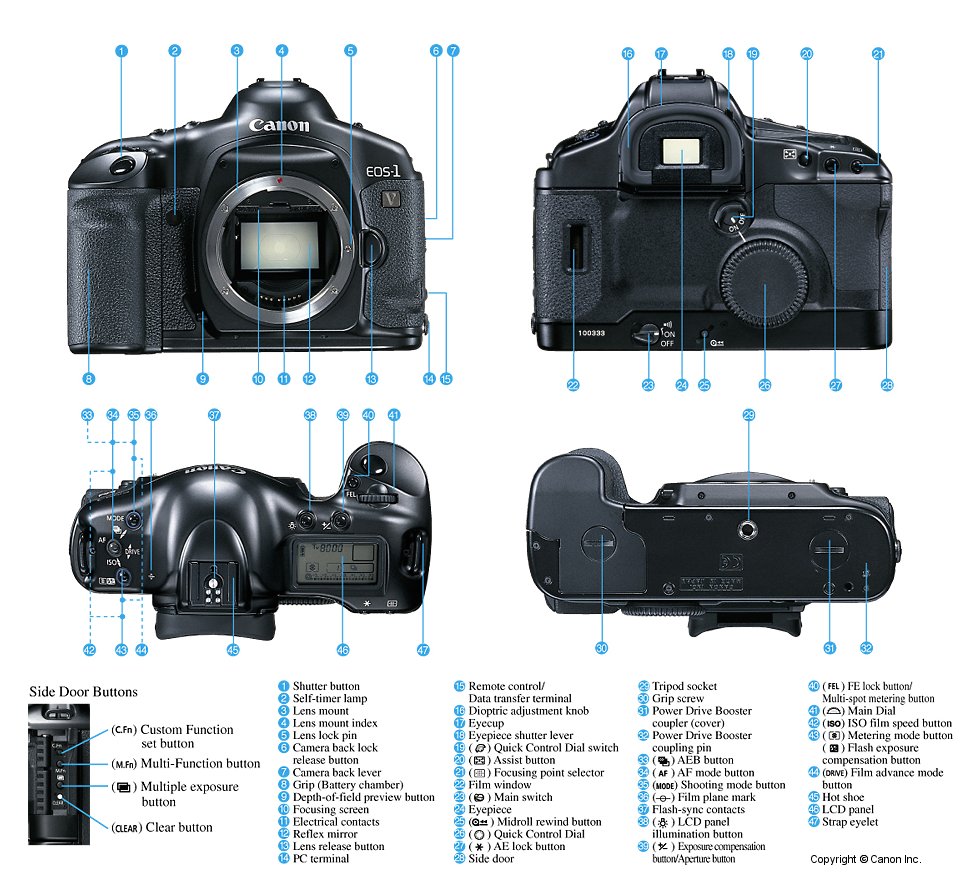
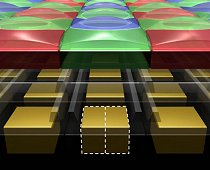 Canon Dual Pixel CMOS AF is a revolutionary new technology that unlocks the potential of Live View when capturing video and still images.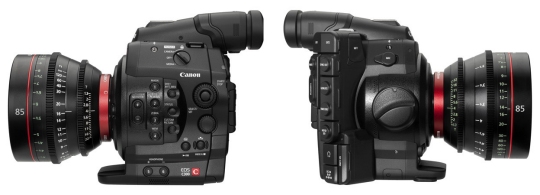
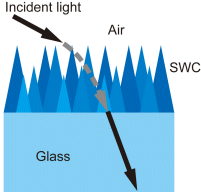 Subwavelength Structure Coating (SWC) is a new coating technology for camera lenses that minimizes ghosting and flare caused by reflected light.
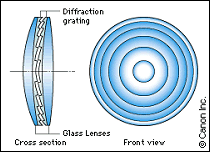 Canon introduces the first multilayered Diffractive Optic lens of the world, with the EF 400mm f/4 DO lens. The prototype will be in commerce this year.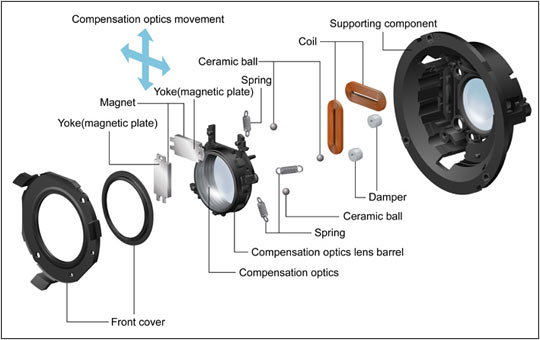
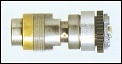
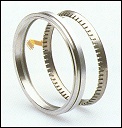 In the 1987 Canon adopted for the first time the ultrasonic motor (USM) for the autofocus lenses. The main characteristics were the high speed and the low noise, conquering the favour of all the sport- and nature- photographers of the world. Thanks to the innovation without comparisons, the manual lenses were abandoned very soon.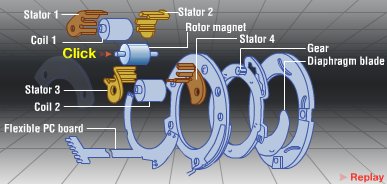
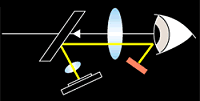 Canon has developed the control of the autofocus automatism through the movement of the pupil. The mechanism is set in action by the semipression of the push-button, but in this case the AF activates on the AF cell nearest the exact point where the photographer is watching through the view-finder.
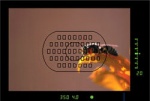 Canon continues in its search to obtain an automatic focusing function covering virtually any point of the shot. In the beginning there was the single focusing point, then they was three, then five. With the birth of the EOS-3 the points have reached the number of 45, scattered in an area of 8x15 mm. The 45 points are either vertical and horizontal and they are active also in very animated shots. This system has been installed also in the new EOS1-V, after significant testing sessions made by many professionals. The 45 points are supported by a CMOS sensor with an efficiency from 30 to 40 times better than the ordinary AF sensors.
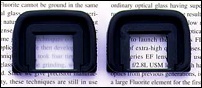 When warm air comes in contact of a cold glass, then the humidity of the air condenses on the glass. In these conditions, lenses and view-finders can cloud and you need to wait for long time before the condenses evaporates.
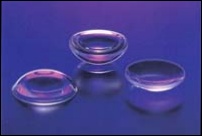 A photographic spherical element has a fundamental defect: it cannot make converge in a single fire point the parallel rays entering the element, so the optical image is not a clear image. Some standard optical groups correct the aberration, but they are not right if you want to reduce the dimensions or the weight of the system. These limits are exceeded using the aspherical optical elements, but they are difficult to construct, demanding a working accuracy equal to 0.1µm or less. In order to industrially produce the aspherical elements, Canon developed a line for the dedicated construction, thanks also to the use of control instruments with a precision of 0.02µm (laser interferometer) and to machines for the aspherical working never constructed before. Canon has then perfected the system, differentiating the workings on the base of photographic requirements.
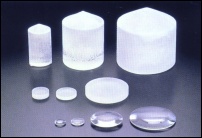 The subdivision of the light in different colors (wavelengths) causes the chromatic aberration during light passaging through a conventional element: the different colors are focused at different distances, causing a chromatic under-focusing. In order to correct it, it's a necessity an optical group constituted by a convex and a concave lenses: it works good, but it doesn't correct the green spectrum. For this reason, Canon has constructed the fluorite lenses, in order to focus all the colors in the same point nearly to the perfection. Fluorite (CaF2) is a mineral with particular features, as the low refraction index and a low dispersion, but in nature is not diffused and large enough to drawn industrial lenses.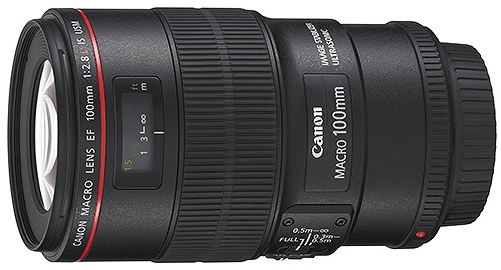
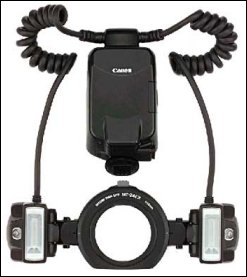
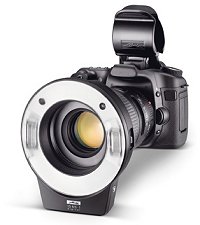
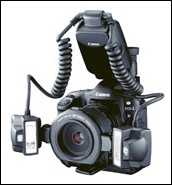 The new Canon Macro Twin Lite MT-24EX is the most advanced flash unit for macrophotography available in any SLR system. This new Macro Twin Lite provides an incredible flexibility by incorporating twin flash heads with adjustable positions for a variety of lighting setups and advanced E-TTL autoflash capabilities (with